High-Volatility Slots in the UK: How They Work
 Available in GB
High volatility generally means less frequent payouts with potential for larger wins, but it cannot predict the result of any individual spin.

Table of Contents
- What High Volatility Means in a Slot
- How Five-Reel Machines Apply Your Bet
- High-Volatility Slots Online in Great Britain
- What a High-Volatility Session Can Cost You
- How Slot Features Change the Game
- Is High Volatility Better for You?
- RTP and Volatility: Different Measures
- Bonuses, Strategy and the Casino Context
- How to Read a High-Volatility Slot Description
- Low vs High Volatility: Which Play Pattern Fits?
What High Volatility Means in a Slot
Slot volatility describes the pattern of a game’s payouts: how often wins tend to appear and how large they tend to be. A high-volatility slot generally pays less frequently, with wins that can be larger when they arrive. A low-volatility slot tends to spread returns across more frequent, smaller wins.
This is a description of the game’s payout pattern, not a promise about what will happen on any particular spin. A high-volatility game does not schedule a large win after a run of losing spins, and a low-volatility game does not guarantee regular returns. Each result can differ from the pattern suggested by the label.
It helps to separate the size of a win from its frequency. A game may produce many small payouts, or it may produce fewer payouts with more scope to be substantial. Volatility concerns that balance. It does not, by itself, tell you the exact amount a game will pay, how long a particular sequence will last, or whether one spin is more likely to win because earlier spins did not.
High-volatility slots can mean bigger swings in your results, so it helps to consider practical details alongside the games themselves. Use this list as a starting point and check each site’s game information before you play.
Payout speed: 1-3 business days BeOnBet lists a payout speed of 1–3 business days, a practical detail for you to consider when choosing where to play.
Payout speed: 1-3 business days x3bet lists a payout speed of 1–3 business days, giving you a stated timeframe to factor into your choice.
Payout speed: 1-3 business days Zombillion lists a payout speed of 1–3 business days. You can use this as one practical point to check alongside slot details.
Payout speed: 1-3 business days Dieselwin lists a payout speed of 1–3 business days, which gives you a clear practical detail to consider.
Payout speed: 1-3 business days Britsino lists a payout speed of 1–3 business days. Check the games’ own information to see whether they suit your preferences.
Payout speed: 1-3 business days EvoSpin lists a payout speed of 1–3 business days, a stated timeframe you can weigh when making your choice.
Payout speed: 1-3 business days Revery Play lists a payout speed of 1–3 business days. You may want to consider this practical detail along with the slot information.
Payout speed: 1-3 business days Chanze lists a payout speed of 1–3 business days, giving you a stated timeframe to keep in mind.
Payout speed: 1-3 business days NightWin lists a payout speed of 1–3 business days. You can check the slot details separately to assess their volatility.
Payout speed: 1-3 business days WinBeast lists a payout speed of 1–3 business days, a practical point for you to consider when choosing a site.
The term “high volatility” is therefore a way to describe the character of a slot, rather than a measure of its quality. It can help you understand what kind of payout pattern the game is designed around, but it cannot identify a guaranteed outcome or tell you that a win is due. A label is a guide to the pattern, not a forecast.
When you see a description of a high-volatility slot, read it as a broad indication: payouts are expected less often, and larger wins form more of the game’s payout profile. The low-volatility contrast is the reverse, with returns distributed among many smaller wins. Those descriptions compare tendencies across play, not fixed results for every player.
So, what is a high-volatility slot? It is a slot whose payouts tend to arrive less often but in larger amounts than those of a low-volatility game. That definition is deliberately about frequency and size. It does not name particular machines or say which style will suit you; those depend on what you want from the play pattern. The distinction itself is simple. The outcomes are not.
How Five-Reel Machines Apply Your Bet
A five-reel slot presents a grid, but the displayed stake is not necessarily a separate wager on each reel. In a common setup, you choose a total bet for a spin and that wager is applied across all five reels. The reels are parts of one game, not five independent machines requiring five separate decisions.
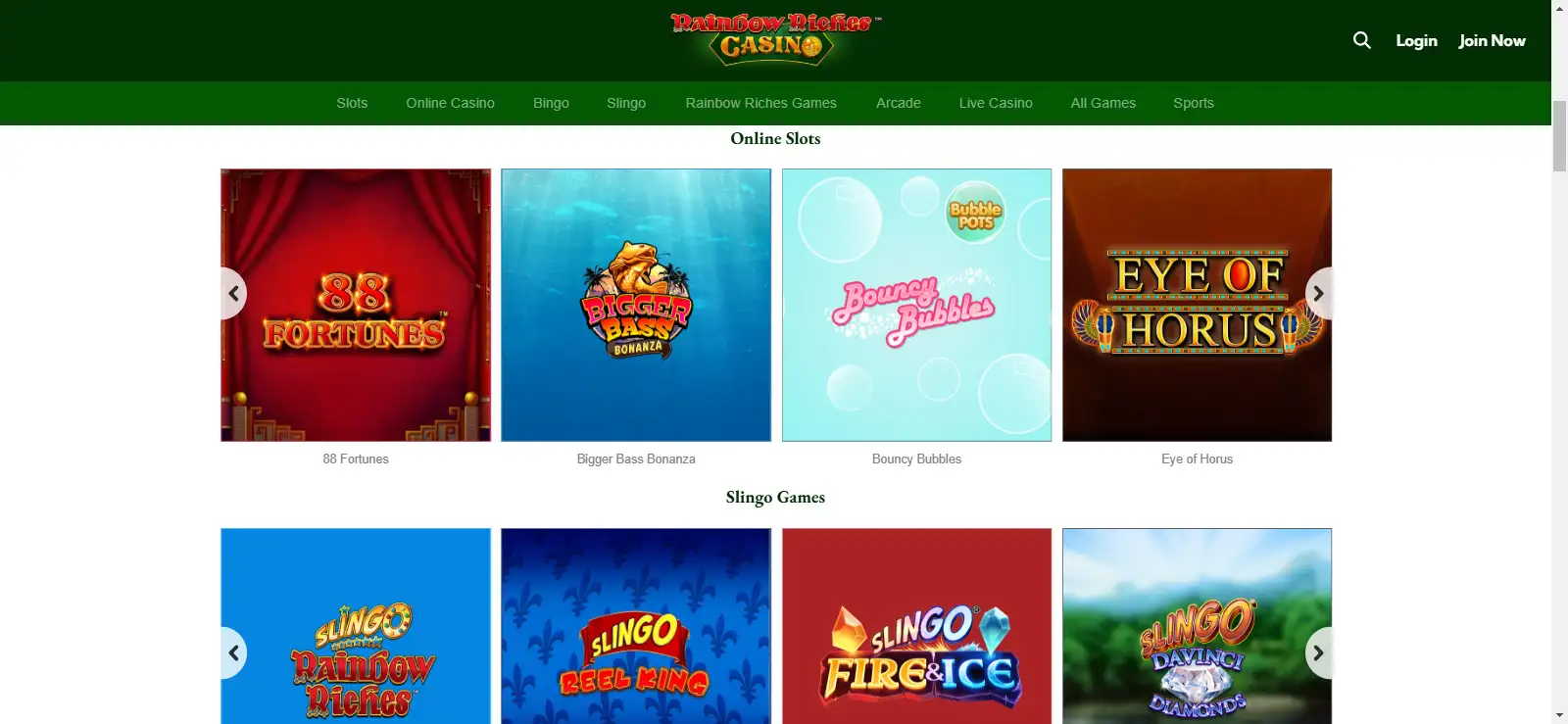

That distinction matters when you read the controls. A game may let you alter the total stake directly, or it may offer settings that affect how the stake is distributed across its winning patterns. The labels differ between games, so check what the displayed total means before starting. If the game shows both a total bet and a smaller component value, the total is the amount to focus on for that play.
The bet and the reel layout
The reels determine where symbols can land; the bet determines the amount committed to the game. Those are related parts of the interface, but they are not the same thing. A symbol appearing on a reel does not, by itself, tell you how much you have staked or whether its position forms a winning pattern. That depends on the game’s rules and the way its combinations are evaluated.
Some slots use paylines: defined routes across the reels that determine which symbol arrangements count. Others use a ways-to-win structure, where matching symbols on adjacent reels may count without following a single drawn route. In either case, the game’s help screen should explain which positions are included and how the stake setting affects them. The screen design can look simple while the bet logic sits one menu deeper.
For a five-reel game, a wager can cover all five reels. This does not mean that every symbol on every reel is part of every possible win. The game rules set out the qualifying arrangements, and the bet setting applies within that structure. Treating “all reels” as “every route is active” can lead to a mistaken reading of the controls.
Checking Slot Controls
- Confirm the total stake for the spin
- Check if winning patterns are activated automatically
- Identify any optional features that change the amount wagered
What changing the stake changes
When you adjust a bet, you are changing the amount committed to a game cycle. Depending on the slot, the interface may also let you choose how many eligible lines or patterns are active, or present a single total with those details handled automatically. Do not assume that two games with the same displayed stake calculate it in the same way. Compare the total cost of the spin, then inspect the rules to see what that stake covers.
A useful check is to look for three items before playing: the total stake, whether the game activates its available winning patterns automatically, and whether any optional feature changes the amount wagered. If the interface separates a stake into smaller parts, make sure you understand whether changing one part alters the overall total. A prominent button is not an explanation.
The paytable and information panel are the reference points for these details. They can clarify how symbols must line up, which reels are involved in a combination and how the game treats the selected bet. If an icon or setting is unclear, pause rather than infer its meaning from appearance. A row of symbols across the screen can suggest a route that the rules do not actually use.

Keep structure separate from volatility
The number of reels and the way a bet is allocated describe the machine’s structure. Volatility describes a different feature: the pattern of returns over play. A five-reel layout does not, by itself, establish whether a slot is high or low volatility, nor does applying a bet across all reels reveal how often a win will occur. These labels answer different questions.
So, when comparing high volatility slot machines, first separate the stake mechanics from the payout pattern. Confirm how much a spin costs and how the game evaluates combinations; then consider volatility as its own characteristic. The word “high” does not tell you whether the stake is divided among lines, handled as one total or applied through a ways-based system. The rules do.
A compact way to read the interface is: stake tells you what you commit, reel structure shows where symbols land, and the game rules explain which arrangements qualify. Keep those three points distinct. Clear enough.
- Separate stake mechanics from payout patterns
- Confirm the cost of a spin in the rules
- Use the rules to understand how combinations are evaluated
- Assume reel layout determines volatility
- Confuse “all reels” with every route being active
- Infer a setting’s meaning from its visual appearance
High-Volatility Slots Online in Great Britain
Finding a slot described as high volatility is only one part of choosing where to play online. In Great Britain, the operator’s regulatory status and the stake permitted for your age also shape the practical choice. A game label does not remove those requirements: online slots offered to customers in Great Britain fall within the UK Gambling Commission’s remote-gambling remit.
The Commission regulates commercial gambling in Great Britain and is the sole regulator for it. Its reach does not depend on where a casino’s key equipment is based. A business offering remote gambling to consumers in Great Britain must hold the relevant Commission operating licence; the regulator also issues personal licences to individuals working in regulated roles. This is why the operator’s location alone is not a reliable test of whether it is authorised to serve the market.
Stake limits for online slots
The maximum stake is set per game cycle, with the limit depending on your age:
| Player age | Maximum stake per online slot game cycle |
|---|---|
| [18 to 24 | £2](https://www.gamblingcommission.gov.uk/licensees-and-businesses/guide/online-slots-stake-limit-guidance) |
| [25 and over | £5](https://www.gamblingcommission.gov.uk/licensees-and-businesses/guide/online-slots-stake-limit-guidance) |
These are regulatory ceilings, not recommended amounts or a requirement to stake the maximum. A casino may offer lower stake settings, and the limit applies to the total amount you stake in a game cycle. If a game presents several ways to place or distribute a bet, what matters is the total stake for that cycle, not just the amount shown beside one part of the wager.
That distinction matters when comparing high-volatility online slots. A volatility description is about the game’s payout pattern; it does not determine the legal stake limit or authorise a larger wager. You can look for a particular style of slot while keeping the stake within the applicable cap. The two questions belong in separate columns.
How to check where you are playing
Before depositing, check that the casino’s operating licence is current on the UK Gambling Commission’s public register. Look for the business named as the licence holder and confirm that its authorisation covers the gambling it offers. A badge or a claim on a casino page is not a substitute for checking the register.
This is relevant even when the website or its equipment appears to be based outside Great Britain. The key point is whether the operator offers remote gambling to consumers in Great Britain, not where its servers or offices happen to be. A high-volatility slot available on a site does not, by itself, show that the site is authorised to offer it to you.


When assessing where to find these games, treat the operator and the individual slot as different checks. First establish that the casino is properly licensed for the market; then read the game’s description to see whether its stated characteristics suit what you are looking for. That approach is more useful than treating a “best” label as evidence of either regulatory status or a particular playing experience.
The limits are clear. The choice is yours.
What a High-Volatility Session Can Cost You
A session on a high-volatility slot can feel uneven because returns may be concentrated in occasional wins rather than arriving steadily. If those wins do not appear during your play, your balance can fall without an obvious moment when the session turns. If a larger return does land, it can change the balance sharply, but it cannot be treated as compensation that is due after a run of losses.
That distinction matters when you decide what a session can cost. A balance may move in either direction from one spin to the next, and a result that feels close to a turnaround is not evidence that a payout is now more likely. Each outcome is uncertain. The slot does not keep a personal record of your previous losses and then adjust its next result to make things even.
Financial Risk
Your balance can fall without a visible turnaround, and a result that feels close to a win is not evidence that a payout is now more likely.
Session results are not a forecast
A winning run can make a session look favourable, while a long stretch without a meaningful return can make the same kind of play feel expensive. Neither short-term pattern tells you what the next spin will do. A win does not establish that the session will stay ahead; a loss does not establish that a win is coming.
This is why the cost should be judged by the money you are prepared to lose, not by a hoped-for payout. A larger possible win may attract attention, but it does not put a ceiling on losses before that win arrives. If you keep playing while waiting for a particular result, the amount at risk can grow even though the outcome remains uncertain.
The phrase “best high-volatility slots” can obscure this practical point. A title cannot be called best for your session simply because its potential returns sound attractive. The relevant criterion here is whether you can accept the possibility of spending your chosen amount without receiving a return that makes the session feel worthwhile. That is a personal limit, not a prediction about the game.
The long-run calculation
There is also a difference between what happens in one session and the mathematical expectation across enough sessions. A positive house edge means the game is designed so that its expected return to the player is below the amount staked. Over enough play, that creates a negative mathematical expectation, however gradual or uneven the losses appear.


This does not mean every session must end in loss. A player can finish ahead in a particular session, and another can lose quickly. The house edge describes the underlying expectation, not a schedule that dictates the outcome of each visit. High volatility changes how uneven the results can feel; it does not cancel the edge.
For anyone considering high-volatility slots in the UK, the useful question is therefore not whether a session might produce a striking win. It is whether the money at risk remains acceptable if that win does not arrive. A potential payout is not a refund, and persistence does not improve the mathematics. That is the cost to keep in view.
How Slot Features Change the Game
A volatility label describes a broad payout pattern; it does not tell you how a slot is built. Reel layout, paylines, jackpots and bonus rules all affect what happens during play. Two high-volatility slot games can therefore feel quite different, even when their labels match.
Reels and paylines
The reel count and payline design determine how winning combinations are formed. A common low-volatility format uses five reels and at least twenty-five paylines. More lines can create more ways for symbols to form a win, but the number of paylines alone does not tell you how large a return will be. The game’s rules decide which symbol combinations pay and how much each combination is worth.
Paylines may run in straight lines or follow more varied patterns across the reels. Some games use ways-to-win systems instead, where matching symbols on adjacent reels can count without landing on a fixed line. That changes the route to a winning combination, not the meaning of the volatility label.
Structural Differences
A game’s reel count, payline design, or the use of a ways-to-win system changes how combinations are formed, but this does not change the meaning of the volatility label.
Jackpot structure
A low-volatility slot may offer a fixed jackpot: its stated amount does not grow as players contribute to a shared pool. A progressive jackpot works differently, building over time as eligible play adds to the prize pool. Jackpot structure is a separate design choice from volatility, so neither format, by itself, establishes how often ordinary wins arrive.
Check whether a jackpot is a central feature or an occasional bonus within the game. A large prize can dominate the description while telling you little about the rest of the mechanics. Read the paytable and feature rules rather than treating the headline prize as a complete picture.
Bonus rounds and multipliers
Bonus rounds also vary. In a familiar low-volatility design, a feature may apply multipliers to wins already accumulated. Other slots may trigger a bonus through special symbols or offer a separate feature round with its own rules. The trigger, eligible wins and multiplier conditions matter: a multiplier does not automatically apply to every spin or every prize.
A feature can make a game more involved without changing its underlying volatility category. Likewise, a dramatic bonus animation does not establish that the bonus pays frequently or generously. The rules are the useful part; the lighting is decoration.

When comparing high-volatility casino games, note these mechanics separately: reel and line structure, jackpot type, bonus trigger and how the bonus affects wins. That gives you a clearer description of the game than the volatility label alone, without turning a single feature into a promise about results.
Is High Volatility Better for You?
Neither volatility style is inherently better. The useful criterion is the pattern of returns you prefer: low volatility tends to spread them across frequent, smaller wins, while high volatility offers less frequent wins that tend to be larger. The trade-off is cadence against size, not a difference in whether one style is objectively “good”.
| What matters to you | Low volatility may fit better | High volatility may fit better |
|---|---|---|
| How often wins appear | You prefer smaller returns to arrive more regularly | You are comfortable with longer gaps between wins |
| Typical win size | You value frequent, modest results | You prefer the possibility of a larger payout |
| Feel of a session | A steadier rhythm is more appealing | A less predictable rhythm does not put you off |
These are broad tendencies, not promises about what any particular spin will do. A low-volatility game can still have a losing run, and a high-volatility game can produce a win sooner than expected. The labels describe the usual distribution of returns, not a schedule.
Low-volatility titles may suit you if seeing winning combinations regularly is part of the enjoyment. Across most titles, they typically produce a winning combination every three to six spins on average. That average describes a group of spins, not a guarantee that a win will appear by a particular point. The appeal is the more frequent pattern of smaller returns, rather than a claim that every spin feels rewarding.
High volatility may suit you if you find a quieter stretch acceptable in exchange for the prospect of less frequent, larger wins. That preference is about the shape of possible outcomes. It does not make the game more favourable, and it does not mean a larger result is due after a series of non-winning spins. Waiting longer is not a mechanism that changes what the next spin can deliver.
Choosing Your Volatility
- Low volatility fits those who prefer regular, modest returns
- High volatility fits those comfortable with longer gaps for potentially larger wins
- Neither style is objectively better; the choice depends on your preferred payout rhythm
- Volatility labels describe tendencies, not guaranteed schedules for wins
A simple way to choose is to decide which disappointment you would find less irritating: frequent wins that are usually modest, or more time between wins with the possibility of a bigger return. If regular feedback matters most, low volatility is the clearer match. If you value the larger-win potential more than a steady rhythm, high volatility may be more appealing. Neither preference is a sound reason to expect a particular result.
Your answer can also vary by mood, but the criterion should stay clear. Choose for the pace and payout pattern you actually enjoy, not because a label sounds more exciting or because you expect it to improve the result. “Better” depends on the preference. That is the whole distinction.
RTP and Volatility: Different Measures
RTP and volatility describe separate features of a slot. RTP concerns the game’s theoretical return across play over time; volatility describes the pattern of its payouts. One is about the overall proportion a game is designed to return, while the other is about how that return is distributed. A high RTP label does not tell you when a win will arrive or how large it will be.
That distinction matters when you compare high RTP, high-volatility slots. The two labels can appear together because a game can have a comparatively high theoretical return while still delivering wins infrequently and unevenly. Neither label cancels out the other. RTP does not make a volatile game pay more regularly, and volatility does not tell you the game’s RTP.

A very high volatility description points to an especially uneven payout pattern: returns may be less frequent, with larger wins forming a greater part of the game’s potential payout profile. It is not a forecast that a large win is due, nor does it identify how long you might play before one appears. A label describes a general characteristic, not the result of your next spin.
Likewise, a high RTP figure is not a short-term guarantee. The theoretical return is not a promise that a particular player, session or run of spins will receive that proportion back. Short-term outcomes can differ sharply from a game’s stated return, and a favourable result is not made more likely simply because the RTP label is high. The number may help compare the theoretical return of games, but it cannot predict your personal result.
There is a further distinction between theoretical return and mathematical expectation. Where a game has a positive house edge, its mathematical expectation is negative over enough sessions, however gradually losses may accumulate. A high RTP label does not remove that edge. It should therefore be read as one measure of the game, not as evidence that playing it is profitable.
Attention A high RTP label is a theoretical return over time and not a short-term guarantee for any particular session or run of spins.
When you see a description combining high RTP with high volatility, read each term independently. The RTP label relates to theoretical return; the volatility label relates to payout distribution. Together, they still cannot tell you whether a short spell will produce wins, how large any win will be, or whether your result will match the theoretical return. Clear labels. No forecast.
If a game description does not explain what its RTP or volatility terms refer to, treat the wording cautiously rather than filling in the gaps yourself. A high figure without context is not a reliable guide to the shape of play, and a volatility label is not a substitute for the game’s stated return. Keep the two measures separate when assessing what the description actually tells you.
Bonuses, Strategy and the Casino Context
A bonus changes the conditions around a slot session; it does not change what high volatility means or remove the house edge. If you are considering a high-volatility game, treat the offer as a separate decision from the game itself. A larger-looking bonus is not automatically a better fit if its conditions make it awkward to use.
Start with the offer’s terms. Check when it expires, which games qualify, how bonus funds are handled, and what must happen before any resulting balance can be withdrawn. Those details determine whether the offer fits the way you intend to play. A specialist review reports that bonuses typically have a 48-hour lifespan, but that is not a universal deadline: the operator’s own terms are the relevant place to confirm the timing.

Timing matters because an offer can create pressure to play before it expires. That pressure is not a reason to increase your stake or keep playing after you planned to stop. If the conditions do not suit your budget or schedule, declining the bonus is a valid choice. A bonus is an offer, not an instruction.
A so-called high-volatility casino bonus strategy cannot turn a slot into a predictable source of returns. Choosing a bonus, game or session order does not guarantee a win, and no bonus makes the underlying mathematical expectation favourable over enough play when the game has a positive house edge. The practical question is whether the offer’s rules are clear and whether you are comfortable with them.
Keep the money you deposit distinct in your own planning from bonus credit. Decide what you are prepared to spend before you begin, and do not treat promotional funds as a reason to stretch that amount. If the bonus requires play on games you would not otherwise choose, that is a meaningful cost in convenience and control, even if the headline offer looks attractive.
For a UK player, the useful comparison is therefore not “bonus versus no bonus” in isolation. Compare the terms, expiry, eligible games and your own intended play. If any key condition is unclear, pause and get clarification before accepting. No clever timing fixes a poor fit.
How to Read a High-Volatility Slot Description
A slot description is a set of clues, not a forecast. When you assess a game presented as high volatility, separate its stated label from the features that explain how its payouts are arranged. A label alone cannot tell you what a particular session will deliver.
Assessing Slot Descriptions
Check which combinations pay and whether the top prize depends on a specific feature.
Identify what triggers a bonus round and how multipliers or jackpots are applied.
Read the RTP figure and volatility label independently without treating one as a guarantee of the other.
Start with the paytable. Check which combinations pay, how wins are distributed across the available lines or ways, and whether the advertised top prize depends on a feature. These details describe the game’s structure; they do not establish how often you will win. If the description offers little beyond a volatility tag, treat that as limited information rather than filling the gaps with assumptions.
Bonus details deserve the same scrutiny. Look for what triggers a round, whether its outcome builds on earlier wins, and how a multiplier or jackpot is applied. The wording should make clear what the feature does. A dramatic feature name is not evidence of a larger likely return.
Some structural patterns are associated with lower-volatility games: these often have five reels, at least twenty-five paylines, fixed jackpot amounts instead of progressive pools, and bonus rounds that multiply accumulated wins. Those traits can help you compare descriptions, but no single feature proves a game’s volatility. Nor does the absence of those traits prove that a slot belongs in a high-volatility list.
Keep return information separate from volatility language. If a description gives both an RTP figure and a volatility label, they refer to different measures; one does not validate the other or predict your short-term result. Read each claim on its own terms, and avoid treating “high RTP and high volatility” as a guarantee of a favourable outcome.

A useful comparison table has columns for the stated volatility, payout structure, jackpot type and bonus mechanics. Record only what the description actually says. If a detail is unclear, mark it as unclear rather than guessing. That makes comparisons between slots with high volatility more disciplined—and keeps a “best high-volatility slots” list from becoming a ranking built on marketing language.
Low vs High Volatility: Which Play Pattern Fits?
The difference between high and low volatility slots is easiest to see in the rhythm of returns. Low-volatility games tend to spread payouts across more frequent, smaller wins. High-volatility games produce wins less often, with larger amounts when they arrive. Neither pattern tells you what the next spin will do; it describes the kind of cadence a game is designed to have over time.
| Play pattern | What you may notice |
|---|---|
| Low volatility | Smaller returns appear more regularly, so play can feel steadier from spin to spin. |
| High volatility | Longer stretches without a win may be followed by a larger payout, making the rhythm more uneven. |
Across most low-volatility titles, winning combinations typically occur every three to six spins on average. That is a broad pattern, not a schedule: individual results can differ, and a winning combination does not necessarily return the full amount staked. High-volatility games offer no comparable promise of when a payout will appear. Their defining feature is the less frequent, potentially larger return.
The practical choice is about which pattern you find easier to sit with. If regular feedback matters more to you than the chance of an occasional larger win, a lower-volatility game may feel more comfortable. If you accept quieter stretches in exchange for a more pronounced payout profile, high volatility may suit your preference. “More comfortable” is personal, not a measure of value.
You can use that distinction to narrow your choice, but not to predict a session. A low-volatility label does not mean every short run will include frequent wins, and a high-volatility label does not mean a large payout is due after a dry spell. The labels describe general behaviour, not a timetable.
For a quick comparison, focus on the experience you want between payouts: a more even stream of smaller returns, or a stop-start pattern with less frequent, larger ones. If neither sounds comfortable, there is no reason to force a choice. The right fit depends on your tolerance for uneven play, not on one style being universally better.
A tidy distinction. Not a forecast.
Prepared by the Rainbow Riches Casino 2 editorial staff.