Instant Bank Transfers at UK Casinos: What to Check
 Available in GB
Bank transfers can fund casino accounts, but operator licensing and cashier details remain separate checks.

Table of Contents
- Using Bank Transfers at UK Online Casinos
- How to Judge a Bank-Transfer Casino
- What to Expect from a Bank Transfer
- Checking Whether a Casino Supports Bank Transfers
- Fast Bank Transfers: Check the Cashier, Not the Label
- Bank-Transfer Casino Sites and Slot Deposits
- Comparing Fast Bank-Transfer Options
- Paying for Slots by Bank Transfer
- Bank-Transfer Payments and Casino Payouts
- Making a Casino Deposit by Bank Transfer
Using Bank Transfers at UK Online Casinos
A bank transfer can be a way to fund an online casino account, but the payment method sits within a regulated gambling system. For customers in Great Britain, remote operators offering real-money gambling must hold the relevant UK Gambling Commission (UKGC) licence. That requirement applies whether the operator is based in Britain or elsewhere. A payment option on a cashier page does not replace the operator’s licensing obligations.
The Gambling Act 2005 provides the framework for gambling in England, Wales and Scotland; it does not cover Northern Ireland. For a player, the practical point is that an online casino serving customers in Great Britain must be authorised by the UKGC. Online gambling is legal for adults aged 18 and over when it takes place with a UKGC-licensed operator. A bank transfer does not change those conditions: the method used to move money is separate from the operator’s authority to offer gambling.
A bank transfer is not a credit-card payment
The distinction between a bank transfer and a credit-card transaction matters. UKGC rules bar remote gambling licensees from taking credit-card payments for gambling. The restriction also applies when a payment is routed through a money service business; putting an intermediary in the path does not turn a prohibited credit-card gambling payment into an acceptable one.
If you’re looking at instant bank transfer casinos in the UK, check the stated payout speed as well as the payment method. This list gives you the available payout timing for each operator.
Payout speed: 1-3 business days BeOnBet lists a payout speed of 1–3 business days. Use that timeframe as a reference when considering how quickly you may receive a payout.
Payout speed: 1-3 business days x3bet lists payouts as taking 1–3 business days. This gives you a stated timeframe to keep in mind when planning a withdrawal.
Payout speed: 1-3 business days Zombillion gives a payout speed of 1–3 business days. That is the available timing detail to consider when you assess this option.
Payout speed: 1-3 business days Dieselwin lists a payout speed of 1–3 business days. You can use this stated timeframe to set expectations for a payout.
Payout speed: 1-3 business days Britsino lists payouts as taking 1–3 business days. This is the available guide to payout timing when you consider the operator.
Payout speed: 1-3 business days EvoSpin gives a payout speed of 1–3 business days. Keep this stated timeframe in mind when you’re considering how long a payout may take.
Payout speed: 1-3 business days Revery Play lists a payout speed of 1–3 business days. This gives you a stated timeframe to factor into your decision.
Payout speed: 1-3 business days Chanze lists payouts as taking 1–3 business days. You can refer to this timeframe when considering payout timing.
Payout speed: 1-3 business days NightWin gives a payout speed of 1–3 business days. That is the available timing information to keep in mind when you assess this option.
Payout speed: 1-3 business days WinBeast lists a payout speed of 1–3 business days. Use the stated timeframe as a guide when you’re considering a payout.
That rule should not be confused with a general ban on bank transfers. A transfer is a different payment route, and the credit-card restriction is specifically about using credit-card funds for gambling. Still, the label shown at the payment stage is not enough to establish what source of funds is involved. You should follow the casino’s stated payment process and your bank’s terms rather than trying to route a credit-card payment through another service.
This is a regulatory boundary, not a speed claim. It does not establish how quickly a transfer will be handled, what limits apply, or whether every casino provides the option. Those are separate questions. The key point here is that the UK credit-card prohibition cannot be avoided by adding a payment intermediary.
A casino may offer more than one way to pay, but availability is not a licence to ignore the rule. If a payment route appears to involve credit-card funds, do not assume that changing the route or service makes it permissible. A compliant remote operator must apply the credit-card restriction to gambling payments, including those channelled through a money service business.
Financial limits belong in the decision
There is also a separate safeguard to consider before funding an account. New remote customers must be prompted to consider setting a financial limit before making their first deposit. Account-level facilities for setting financial limits must remain accessible afterwards. This means the limit prompt is not merely a one-time notice that disappears once registration is complete.



Take time to consider a limit before depositing, rather than treating it as a box to clear while moving through the cashier. The choice is yours, but it should be deliberate and based on what you can afford to spend. If you have already opened an account, the relevant account-level controls should still be accessible.
A bank transfer can make the movement of money feel separate from the gambling activity that follows. It is not. Once funds are used to gamble, they are part of gambling expenditure. The payment route does not remove the need to set a financial boundary or make that boundary available through the account.
Check the operator before considering the payment route
For a UK player, the order of checks is straightforward: first establish that the casino is operating under the required UKGC licence, then consider whether its payment arrangements suit you. A familiar payment method cannot make an unlicensed operator compliant, and a licensed operator is not necessarily required to offer every possible payment option.
The licence requirement is about the operator, not the bank transfer itself. A bank does not authorise the casino to provide gambling, and the existence of a transfer facility does not show that the site is regulated in Great Britain. Treat those as distinct checks.
The same distinction helps when you see a payment option described in broad terms. “Bank transfer” identifies a route, but it does not by itself tell you whether the operator is properly authorised or whether the source of funds complies with the credit-card rule. The relevant standards still apply to the gambling operator and the payment being made.
Credit Card Ban
UKGC rules strictly prohibit remote gambling licensees from accepting credit-card payments for gambling, even if routed through a money service business.
There is no need to turn this into a hunt for a supposedly universal bank-transfer casino. The regulatory framework sets the conditions under which online gambling may be offered; it does not make every casino’s cashier identical. Your starting point is the operator’s UKGC status and the rules that apply to gambling payments. Then consider the financial-limit prompt before your first deposit. That is the basic context for using a bank transfer at a UK online casino.
How to Judge a Bank-Transfer Casino
A useful comparison starts with your own priorities, not a label such as “best”. One casino may suit you because its cashier shows a deposit range that fits your budget; another may be preferable because its fees are clearer or its account controls are easier to find. The better choice depends on the criterion that matters to you.
Use a simple checklist when reviewing a bank-transfer casino:
| Criterion | What to compare |
|---|---|
| Deposit range | The minimum and maximum shown for the bank-transfer option |
| Fees | Any charge stated for the transaction |
| Financial controls | Whether you can set and manage account-level limits |
| Clarity | Whether the cashier explains the conditions before you confirm |
Treat the live cashier as the deciding reference. A specialist review can help you identify what to investigate, but it cannot replace the current payment information shown for your account. Minimums, maximums, fees and processing details can depend on both the selected payment method and the cashier’s current terms. A comparison made from old figures can therefore give you the wrong answer.
Compare limits against your budget
Check the minimum first. If it is higher than the amount you intend to deposit, that option does not fit your plan. Then look at the maximum transaction value, so you know whether the cashier permits the amount you have in mind. These are practical filters, not measures of quality: a higher maximum is not automatically an advantage if you do not need it.
Do not assume that a limit shown for one payment option applies to bank transfer, or that a figure seen before signing in will necessarily be the one presented to you later. Compare the terms attached to the specific method in the current cashier. If the information is unclear, pause rather than infer a figure from a review or from another payment route.
The same discipline applies to fees. Look for any charge connected with the transfer and check whether the cashier identifies who applies it. If no fee is displayed, do not turn that absence into a promise that a transaction is free; look for the applicable terms or ask the operator for clarification before proceeding. A clear fee statement is more useful than a confident-sounding headline.
Put financial controls on the comparison sheet
Payment terms are only part of the decision. Check whether the account provides financial-limit controls and whether you can locate them without having to search through unrelated pages. New customers should be invited to consider a financial limit before making their first deposit, and account-level limit facilities must remain available afterwards. That makes the controls relevant both at sign-up and during later account use.
- Check if financial-limit controls are accessible
- Verify the deposit range in the live cashier
- Record specific fees and limits for each option
- Rely on a “fast” or “instant” label alone
- Assume a limit for one method applies to all
- Fill missing details with an assumption
Compare the controls by whether they are accessible and understandable, rather than by assuming that every casino presents them in the same place. You should be able to see what limits you can set and how to manage them from your account. If the information is difficult to find before depositing, that is a useful point to resolve before treating the cashier as suitable.
Separate payment terms from marketing language
A “fast” or “instant” label is not a substitute for a stated condition. For this comparison, focus on what the cashier actually tells you about the bank-transfer option, including its limits and fees. Avoid awarding a higher mark based only on a headline or a general description of the service. The label is easy; the detail matters.
Keep your notes specific. Record the minimum, maximum, stated fees and location of the account controls for each option you assess. If one of those details is absent or unclear, mark it as unconfirmed rather than filling the gap with an assumption. This keeps the comparison useful even when the available information is incomplete.
A strong candidate is not necessarily the one with the largest transaction ceiling or the most appealing wording. It is the option whose current terms fit your intended deposit and whose financial controls you can understand and access. You may weigh those criteria differently from another player. The winner depends on your needs. Plainly so.
What to Expect from a Bank Transfer
A bank transfer does not come with one set of conditions shared by every UK casino. The amount you can send, any charge applied and the time taken depend on the operator’s live cashier and the payment option available to you. A figure quoted elsewhere may describe a different casino, route or point in time; it is not a reliable substitute for the terms shown when you are ready to pay.


That matters because “bank transfer” can describe a broad payment category rather than a single, identical process. The casino sets the conditions attached to its own available route, while your bank has its own procedures. The result is that a bank transfer casino cannot be assessed accurately from the payment label alone. The current terms attached to the selected method are what matter.
Limits and charges are operator-specific
Before you authorise a transfer, look at the amount the cashier permits for the transaction and whether it lists a fee. Check the minimum as well as the maximum: a limit can affect whether the amount you intend to move is accepted. Do not assume that a condition shown in a guide, review or old screenshot still applies. Payment terms can change, and different methods at the same casino may carry different limits or charges.
A specialist review can offer useful background, but it is not the final word on a live payment. Its description may no longer match the cashier, or may relate to a different route. Treat it as context, not as a promise about what your own account will be offered. Before committing funds, use the information displayed by the casino for the method you have selected.
A fee is also worth distinguishing from the amount transferred. Check whether the cashier describes a charge and whether the amount shown at confirmation reflects what will leave your account. If the terms are unclear, pause and ask the operator for clarification rather than guessing. A payment decision should be based on the stated cost, not on an assumption that bank transfers are free.
Attention: A fee is distinct from the amount transferred; always check if the confirmation screen reflects an additional charge before proceeding.
Processing information can change
A bank transfer may not be credited or completed at the same point in every payment journey. The operator’s current information is the relevant guide to its own processing, while public banking information does not supply stable UK-specific figures for casino withdrawal limits, charges or processing times. A general estimate therefore cannot tell you exactly what will happen on a particular account.
The same caution applies to withdrawals. A casino’s stated processing information may refer to the operator’s handling of a request, rather than the entire time until funds reach your bank. Read the wording carefully and distinguish between a processing statement and a confirmed arrival time. Withdrawal methods, limits, fees and processing statements can change, so an old description may not reflect the current position.
This is not a reason to treat every transfer as unpredictable. It is a reason to compare like with like: the same casino, the same selected method and the current cashier information. If a payment page gives a particular limit or processing statement, use that rather than importing a figure from another operator. If the cashier gives no clear answer, the operator’s support team can clarify the terms before you proceed.
Use the live information, not a market-wide estimate
For a useful comparison, separate the conditions into distinct questions: what amount is permitted, whether a fee is stated, and what processing information applies. These details belong to the casino’s current offer, not to bank transfers as a whole. A UK casino bank transfer can therefore suit one player’s requirements and be less suitable for another’s, depending on the live terms and the account’s needs.


Keep a record of the terms you relied on if you are making a decision based on them. That helps you compare the information shown at the time with any later update, without treating an older statement as permanent. It also makes it easier to ask a precise question if the cashier’s wording is unclear.
The useful expectation is not a universal limit or timetable. It is that the operator’s live cashier defines the current conditions for its selected bank-transfer route. Check those terms before acting, and reassess them whenever you make a later payment. The label stays familiar. The conditions may not.
Checking Whether a Casino Supports Bank Transfers
A bank-transfer option should be confirmed in the casino’s live cashier, not inferred from a payment logo or a general description of the site. Sign in, open the payment area and check the methods displayed for your account. The available choices may depend on account details, so a page describing a casino with bank transfer does not establish that the route is available to you.
Check deposits and withdrawals separately. A bank transfer shown as a way to add funds is not automatically offered as a way to receive them. Before depositing, find the payout methods currently available to your account and confirm that a bank transfer is among them if that is the route you intend to use. A specialist review also recommends checking the account’s payout route, any outstanding identity checks and the operator’s current terms before paying in.
Check your account, not just the public page
A casino’s public payment information can help you find where to look, but it may not reflect the options shown after you sign in. In the cashier, inspect the deposit list and the withdrawal area independently. If either is unclear or unavailable, ask the operator to clarify what applies to your account before making a deposit.
Deposit screens show how you may fund the account, while payout screens identify which routes are available to return your funds.
Look for any request to complete identity checks. An unresolved check may affect what you can do with the account, so do not assume that seeing a deposit method means every later step is ready. Check the account messages and the operator’s instructions, then confirm whether anything remains outstanding.
The distinction is practical: the deposit screen answers how you may fund the account; the payout screen answers which routes are available to return funds to you. Similar labels do not make them interchangeable.
Read the current terms
Payment options and withdrawal conditions can change. Read the operator’s current terms alongside the cashier rather than relying on an old review, saved screenshot or general claim that a casino offers instant bank transfer. The live information is the relevant check for your account; a speed label does not confirm availability or settle the conditions attached to a method.
Check that the details requested for a payout route match the account holder’s information and currency. If the cashier’s options do not make that clear, ask customer support before depositing. Keep the answer with your account records, especially if the site distinguishes between deposit methods and payout methods.
A useful check is short: confirm the bank-transfer method is listed for deposits, see whether it is also offered for withdrawals, review any outstanding identity requirements, and read the current terms. If you cannot verify one of those points, pause rather than treating the method as guaranteed. The cashier is the deciding screen.


Fast Bank Transfers: Check the Cashier, Not the Label
“Fast bank transfer” sounds like a timing commitment. On a casino site, it is better treated as a description to verify. The label alone does not tell you when a deposit will reach your balance or how long a withdrawal will take. Those details depend on the payment method you select and the information shown in the live cashier.
A specialist review notes that processing times, alongside limits and fees, vary by cashier and payment method. That makes a broad speed claim a weak basis for choosing a casino that accepts bank transfer in the UK. The useful comparison is more specific: what does this casino say about this bank-transfer route, for this transaction, now?
Separate payment speed from casino processing
A transfer can involve more than one stage. The cashier may show an estimated processing period, but that does not make every stage identical across payment routes. Check whether the displayed information refers to the payment provider’s handling, the casino’s processing, or the overall transaction. If the wording is unclear, do not turn “fast” into a precise expectation.
The same distinction matters when a site advertises instant bank transfer. “Instant” may describe the payment option or its intended function; it is not enough by itself to establish the time a particular deposit or payout will take. The current cashier is the practical reference for the selected method, and the operator’s terms can clarify what its timing statement covers.
Compare like with like
If you are considering casino sites that accept fast bank transfer, compare the same stage of the transaction. A deposit estimate cannot be used to predict a withdrawal, and one payment route’s timing says nothing definite about another. Check the method name and the deposit or withdrawal information separately rather than treating “bank transfer” as one uniform service.
Comparing Speed
Identify the specific bank-transfer route in the live cashier.
Read the stated processing period and distinguish between operator and bank handling.
Recheck the operator’s terms to ensure the timing statement is current.
Withdrawal statements need particular care because methods, limits, fees and processing information can change. A specialist review may help you identify what to look for, but an older description should not replace the live cashier. Recheck the operator’s current terms before relying on any stated period.
This applies whether you are comparing mobile casinos that accept instant bank transfer or using a desktop site. The device does not establish the payment speed; the selected route and the casino’s current information do. If the cashier does not show a clear timing statement, do not infer one from a banner, a “fast” label or a general page description.
A sensible comparison records the exact wording beside the payment method and transaction type. That makes it easier to distinguish a stated estimate from a slogan, and to notice when the cashier’s information has changed. The top casino that accepts fast bank transfer is therefore not automatically the one with the boldest claim. The stronger choice for speed is the one whose current cashier gives you clear, relevant information for the route you intend to use. No stopwatch by slogan.
Bank-Transfer Casino Sites and Slot Deposits
A bank transfer is a payment option offered through a casino’s cashier, not a feature attached to a particular slot. If you can fund your account by bank transfer, that option applies at site level: the game you open does not decide which deposit methods are available. The distinction matters when you are comparing casinos for slot play, because a game catalogue cannot confirm that bank transfer is supported.


Check the cashier while signed in to the account you intend to use. The displayed options and conditions are the relevant details for that account; a general description elsewhere on the site may not show what you can select at the point of payment. Before confirming a deposit, review the current minimum, maximum transaction value and any fee shown for bank transfer. Also check the account’s financial-limit controls, rather than assuming they are identical across casinos. Operator payment guidance advises customers to verify these details in the live cashier, where they can see the terms that apply to the transaction.
The game page and the payment page answer different questions. A slot page tells you what game you have opened; it does not establish whether your account can be funded by bank transfer, what transaction limits apply, or whether a fee is displayed. Likewise, a casino advertising a broad choice of slots is not thereby demonstrating that it offers a particular banking route. Check the cashier separately.
If you are looking for a fast route to slot play, separate the time needed for a bank transfer from the games available after your account is funded. A casino or game label alone does not establish how quickly a payment will be processed. Use the cashier’s current information for the selected method, and do not treat “instant” wording as a substitute for transaction-specific details. The useful comparison is between the actual payment terms shown to you, not between the names of games.
Before a new customer makes a first deposit, the casino must prompt them to consider setting a financial limit. Those account-level controls should remain available afterwards, so you can review or manage them beyond the initial payment. Take that prompt into account alongside the cashier’s transaction terms; it is part of deciding how to fund play, not a property of the slot itself.
Deposit Access
Assess deposit methods in the cashier independently from the games available, as one does not prove the other.
In short, choose a game by its own merits, but assess deposit access in the cashier. One does not prove the other.
Comparing Fast Bank-Transfer Options
A fast bank-transfer option is not simply the one with the most confident wording beside it. Compare the information you can verify: the stated processing time, any fees, and the limits shown for the method you would actually select. The stronger choice on speed is the one whose current cashier gives clear, relevant terms—not the one with the broadest promise.
Treat speed as a criterion, not a guarantee. A casino may display payment information that does not tell you how long your own transaction will take. The selected route and the cashier’s current details matter; a general claim about bank transfers cannot establish a particular processing time. If the cashier separates operator processing from bank handling, compare those stages rather than treating them as one elapsed period.
The figures are not stable across the market. A specialist review of UK banking information notes that public sources do not establish consistent UK-specific withdrawal limits, fees or processing times. For a decision about a particular casino, its live cashier is the relevant reference. An old comparison or general banking page may not reflect the terms presented to you now.
Use a simple comparison table before choosing:
| Criterion | What to check |
|---|---|
| Processing | Whether the cashier gives a time estimate for the selected route |
| Charges | Whether any fee is stated for the transaction |
| Limits | The displayed minimum and maximum relevant to the payment |
| Clarity | Whether the terms explain when processing begins and what can affect it |
A missing detail is not evidence that the condition is favourable. If no current processing information appears, you cannot reliably call that option faster than another. If a fee or limit is unclear, check the operator’s terms or ask customer support before proceeding rather than filling the gap with an assumption.
The right choice depends on your priority. If speed matters most, compare the available processing information first; if cost or transaction size matters more, those criteria may produce a different winner. There is no useful universal ranking without current, comparable cashier details. A table beats a slogan.
Paying for Slots by Bank Transfer
If you plan to fund casino play from your bank account, treat the deposit as a separate decision from choosing a slot. The game does not set the payment conditions: the casino cashier shows what you can send, which bank-transfer option is available to your account, and the terms attached to that transaction.
Before confirming, check the live cashier for the minimum deposit and maximum transaction value. These figures can differ by operator and selected method, so an old review or a previous visit is not a reliable substitute for the details displayed at the time. A specialist review also advises checking the listed charges and your account’s financial-limit controls before paying. Read the amount and any fee shown on the confirmation screen, not just the headline description of the method.
There is another check before the first deposit. New customers must be prompted to consider setting a financial limit, and account-level limit tools must remain accessible after registration. Set a limit that fits your budget before transferring money; it is a control on spending, not a reason to increase your planned stake.
Bank Transfer Deposit
- Confirm bank transfer is listed in the live cashier
- Verify minimum and maximum transaction values
- Check for any stated fees
- Set a financial limit through account controls
- Match the transfer amount with the deposit screen
A bank transfer can put funds into a casino balance, but that does not make the payment terms interchangeable across sites. If the cashier does not display a clear minimum, maximum, fee information and limit controls, pause rather than guessing. A deposit that exceeds the transaction cap may not proceed as you expect, while a fee can change the amount leaving your account.
Once the details are clear, compare the requested amount with your intended entertainment budget and confirm only if they match. Keep the bank’s transaction screen and the casino’s confirmation consistent, and do not proceed if the amount or charge differs from what you reviewed. The better choice is the one whose current deposit conditions fit your budget—not the one with the most confident label.
Bank-Transfer Payments and Casino Payouts
A bank transfer used to fund a casino account is not automatically available when you want to withdraw. Treat deposits and payouts as separate decisions: check the withdrawal options shown for your account before relying on a particular route.
Independent specialist reviews describe several possible payout methods at UK-licensed casinos, including debit card, bank transfer, PayPal and e-wallets such as Skrill or Neteller. That is a menu of possibilities, not a promise that every casino offers each one. The live cashier and the operator’s current terms determine what you can select.
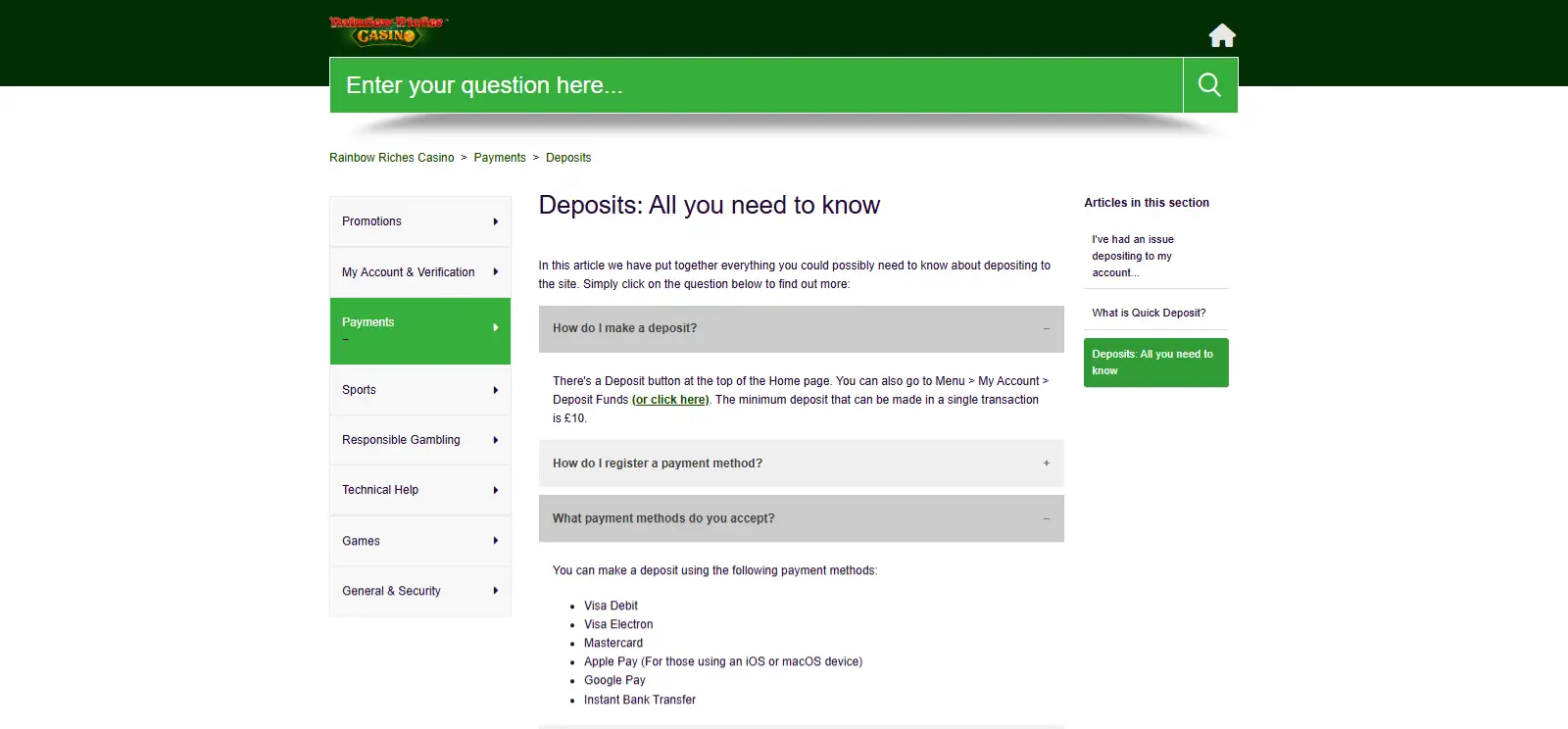
If you want the money returned by bank transfer, confirm that the option is available and that the bank details match the account holder’s information. Check the currency shown as well. A route that cannot be matched to your account details may not be suitable for your withdrawal request.
Before submitting a payout request, review any outstanding identity checks and the terms that apply to your account. These can affect whether a request can proceed; choosing a method at deposit does not settle those requirements. Some casinos outside the UK require withdrawals through the same method used for deposits, but do not assume that rule applies to a UK-licensed casino. Check its own stated process.
Compare payout routes by the criteria that matter to you: whether the method is available, whether your account details match, and what the cashier says about fees, limits and processing. Withdrawal methods and their conditions can change, so older descriptions are not a substitute for the current cashier.
The useful distinction is simple: a bank transfer may be a deposit route, a payout route, both, or neither for your account. Verify before you plan around it.
Making a Casino Deposit by Bank Transfer
Before you confirm a bank-transfer deposit, treat the live cashier as the final checklist. A specialist review also advises checking the current cashier before paying, since the figures and controls displayed there are the ones relevant to your account and selected method.

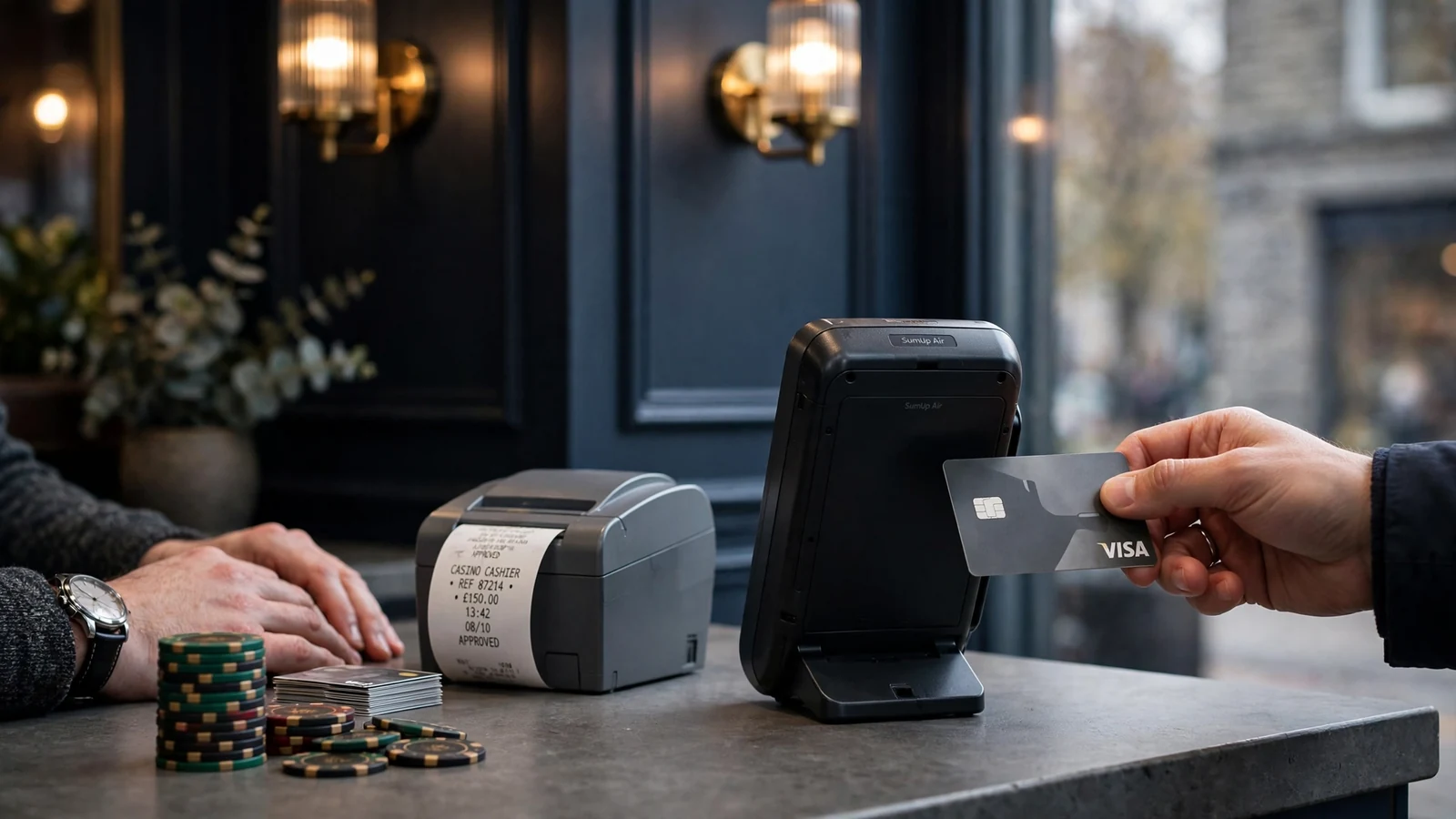
First, confirm that bank transfer is listed for deposits. Read the minimum deposit and maximum transaction value shown for that option; do not assume that a limit displayed elsewhere applies to this payment route. Check whether the casino lists a fee, and whether your bank shows any charge or confirmation details before you authorise the transfer. If a cost or limit is unclear, pause and consult the operator’s current terms rather than guessing.
Then review your account’s financial-limit controls. New customers must be prompted to consider setting a limit before their first deposit, and account-level facilities to set or change limits must remain accessible afterwards. Choose a limit you can afford before sending money, not after a payment has gone through.
Finally, compare the amount you intend to deposit with the cashier’s current minimum and maximum. If it falls outside either, adjust it or choose another method shown in the cashier. Check the recipient and payment details carefully, and make sure the transfer amount matches the amount entered on the casino’s deposit screen. Keep the confirmation until the balance reflects the payment.
A bank transfer is only ready to submit when the method, limits, fees and account controls are clear. If any detail differs between the cashier and the payment confirmation, stop and resolve the discrepancy first. Short pause, better decision.
Is there a maximum deposit amount with Payforit at UK casinos?
Yes. Payforit deposits are capped at £30 per transaction.
Which UK casinos still accept Payforit in 2026?
Payforit is listed as available at operators such as Kwiff, NetBet, JackpotJoy and Virgin Games. Check the casino’s cashier to confirm it is currently offered.
How does Payforit work at a casino deposit?
Select Payforit at the cashier, enter your mobile number, then submit the confirmation code sent by SMS. The deposit is charged to your monthly phone bill or taken from your Pay as you Go balance.
What are the withdrawal limits when using a Payforit casino?
You cannot withdraw casino funds through Payforit. Check the casino’s cashier for the withdrawal methods and limits available to your account.
Can I claim casino bonuses using Payforit?
Usually not. Most UK casinos exclude Payforit deposits from welcome bonuses and other promotions.
What is the maximum amount I can deposit via Payforit?
The maximum is £30 per transaction.
Prepared by the Rainbow Riches Casino 2 editorial staff.